The one item in the bathroom guaranteed to be wet every single day. Material choice is everything.
A bath mat has a harder life than anything else in a bathroom. It is soaked every day, walked on wet, and in most homes it never gets the chance to dry completely before the next shower. That single fact explains nearly everything about which mats are good and which are not.
The category has split into two camps. Fabric mats -- cotton, microfiber, bamboo blends -- are comfortable and washable, and their enemy is the time they spend damp. Stone mats, made from compressed diatomaceous earth, do not stay damp at all: water is drawn in and evaporates within a minute. They are also cold, hard, and will crack if you drop them.
Terry & Tub is reader-funded. We earn a commission on some links to Amazon at no extra cost to you, and we mark those links. Products we cannot earn from are included anyway when they are the right answer, and labeled as such. Full disclosure.
Start here
Bath Mats: our picks
Every guide below carries the products we would actually buy, with the retailer link attached.
Almost every fabric bath mat sold with a non-slip surface has a rubber or latex backing bonded to the underside. That bond has a hard lifespan. Hot washing and tumble drying accelerate its breakdown, and when it goes it does not go gracefully -- it crazes, flakes, and sheds fragments into your washing machine.
This is why an unbacked cotton rug plus a separate rug pad genuinely outlasts an all-in-one non-slip mat, often by years. The cotton can be washed hot indefinitely; the pad is replaced on its own when it wears. If you want one purchase rather than two, buy the backed mat knowing it is a consumable and wash it cool.
Mold, mildew and how often to replace a mat
A bath mat that smells is not dirty in the ordinary sense. It is colonized: body oils soak into the pile, bacteria feed on them, and the by-products are what you smell. Detergent alone does not strip oil well, which is why a mat can come out of the wash smelling fine and be sour again within a day.
The fix is the same as for towels: a hot wash with an alkaline booster to cut the oil, and then genuinely drying the mat between uses. Hanging it over the side of the tub after a shower does more for a bath mat's lifespan than anything you can buy. How often to replace a bath mat covers when it is past saving.
Sizing, which is where most people get it wrong
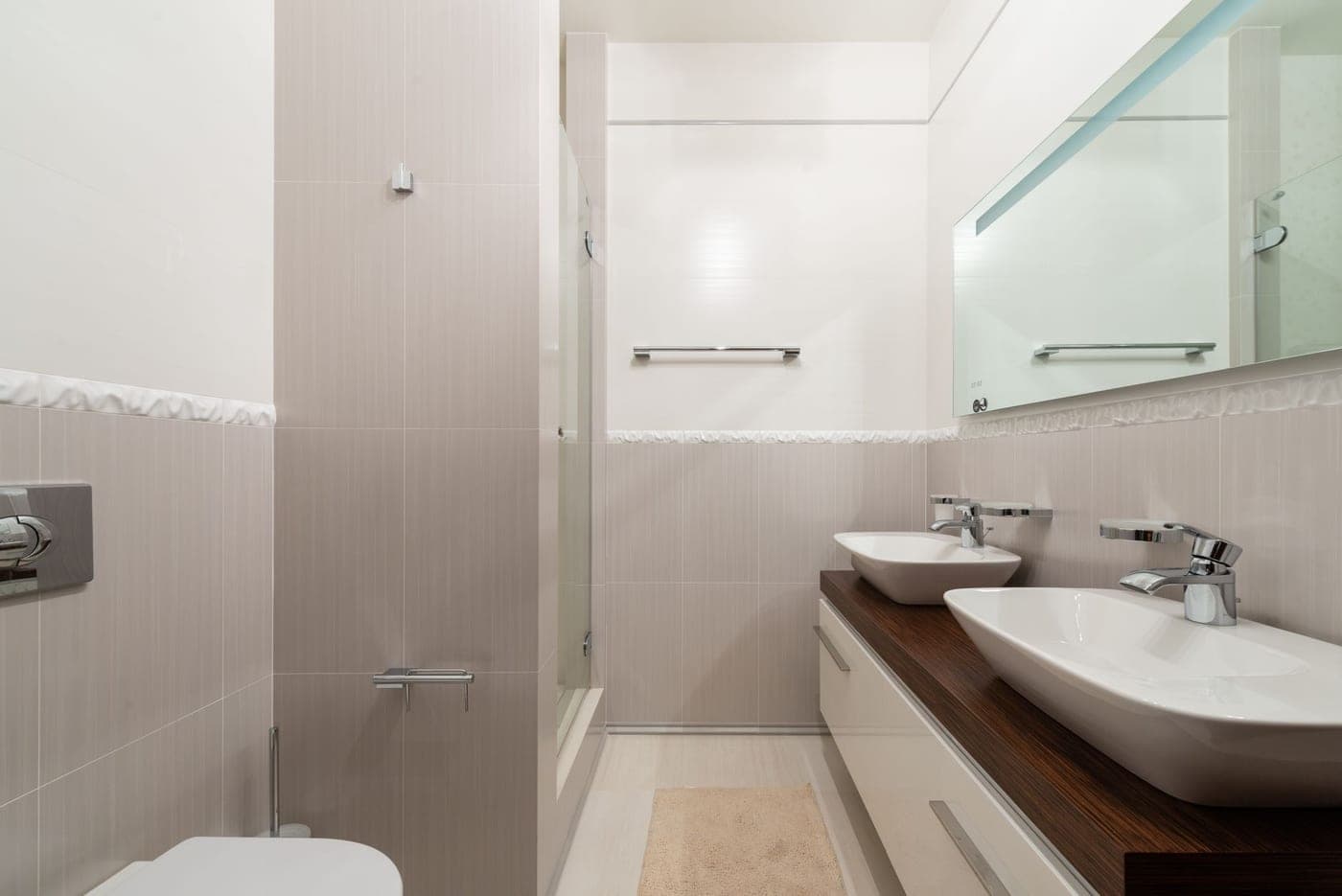
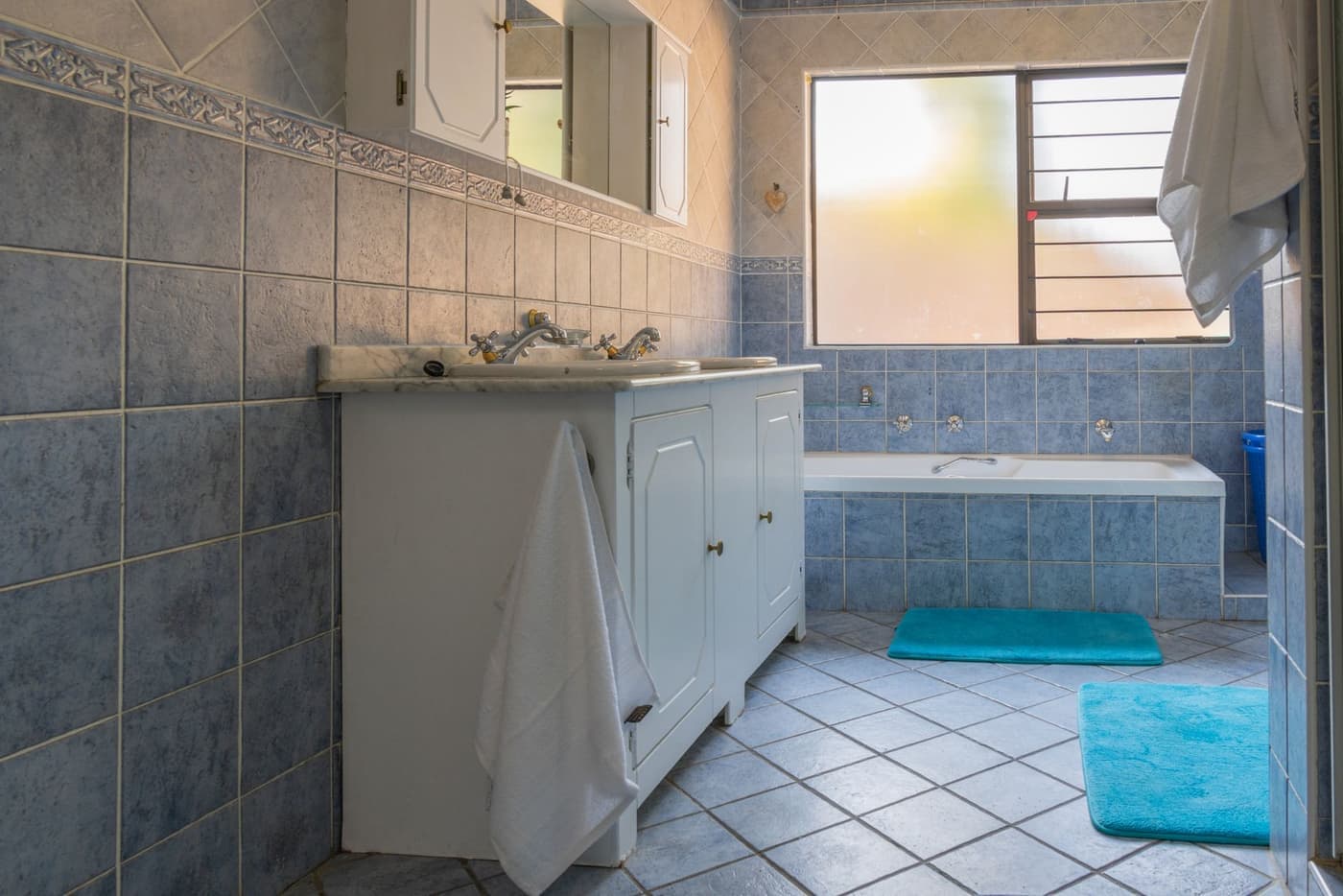
The standard 17 x 24 in mat is sized for a bathtub, not a walk-in shower, and not a double vanity. If your wet zone is wider than the mat, the floor gets wet anyway and you have bought a decorative object. Measure the area you actually stand in, wet, and buy for that -- 21 x 34 in and 24 x 40 in exist for a reason, and runner sizes up to 24 x 64 in exist for double vanities. The sizing guide has the full table.
Frequently asked questions
+What is the best material for a bath mat?
Cotton if you want comfort and washability; diatomaceous stone if you want a mat that is genuinely dry within a minute and never smells. Microfiber is the softest and the shortest-lived. Full comparison here.
+How often should you wash a bath mat?
Once a week for a mat in daily use, more if several people shower. See how to wash a bath mat for temperatures and what to avoid.
+Do bath mats grow mold?
Fabric ones can, if they never dry fully. Stone mats effectively cannot, because the surface is dry within a minute. Hanging a fabric mat up after every shower is the single most effective prevention.
+What is the difference between a bath mat and a bath rug?
In normal use, the mat is the functional piece you stand on wet and the rug is the decorative piece elsewhere in the room -- but the terms are used interchangeably by retailers. We untangle it here.