Everything that decides whether a towel is still good in five years: weight, fiber, weave, and how you wash it.
Most towel advice is written for the first ten seconds you touch one. Ours is not. A towel that feels glorious in the shop and dead in eighteen months is a worse purchase than one that feels merely good and is still working in year six, and almost nothing you read about towels is organized around that distinction.
Three specifications decide the long run, and all three are published if you look: GSM (how much cotton is in the cloth), staple length (how long the individual fibers are), and weave (how those fibers are arranged). A fourth factor sits outside the product entirely, and it is the one most people get wrong -- how the towel is laundered. We treat all four as one subject, because in practice they are.
Start with the GSM guide if you want to understand why a heavier towel is not automatically a better one, or go straight to the towels we would buy if you just need an answer.
Terry & Tub is reader-funded. We earn a commission on some links to Amazon at no extra cost to you, and we mark those links. Products we cannot earn from are included anyway when they are the right answer, and labeled as such. Full disclosure.
Start here
Bath Towels: our picks
Every guide below carries the products we would actually buy, with the retailer link attached.
Weight, in grams per square meter. Below about 400 GSM a towel is a beach or gym towel: light, fast-drying, and not very absorbent. Between 500 and 700 GSM is the everyday band where nearly every good bathroom towel lives. Above 700 you are buying plushness and paying for it in dry time, machine load and, in most homes, lifespan -- because a towel that never fully dries between uses is a towel growing mildew.
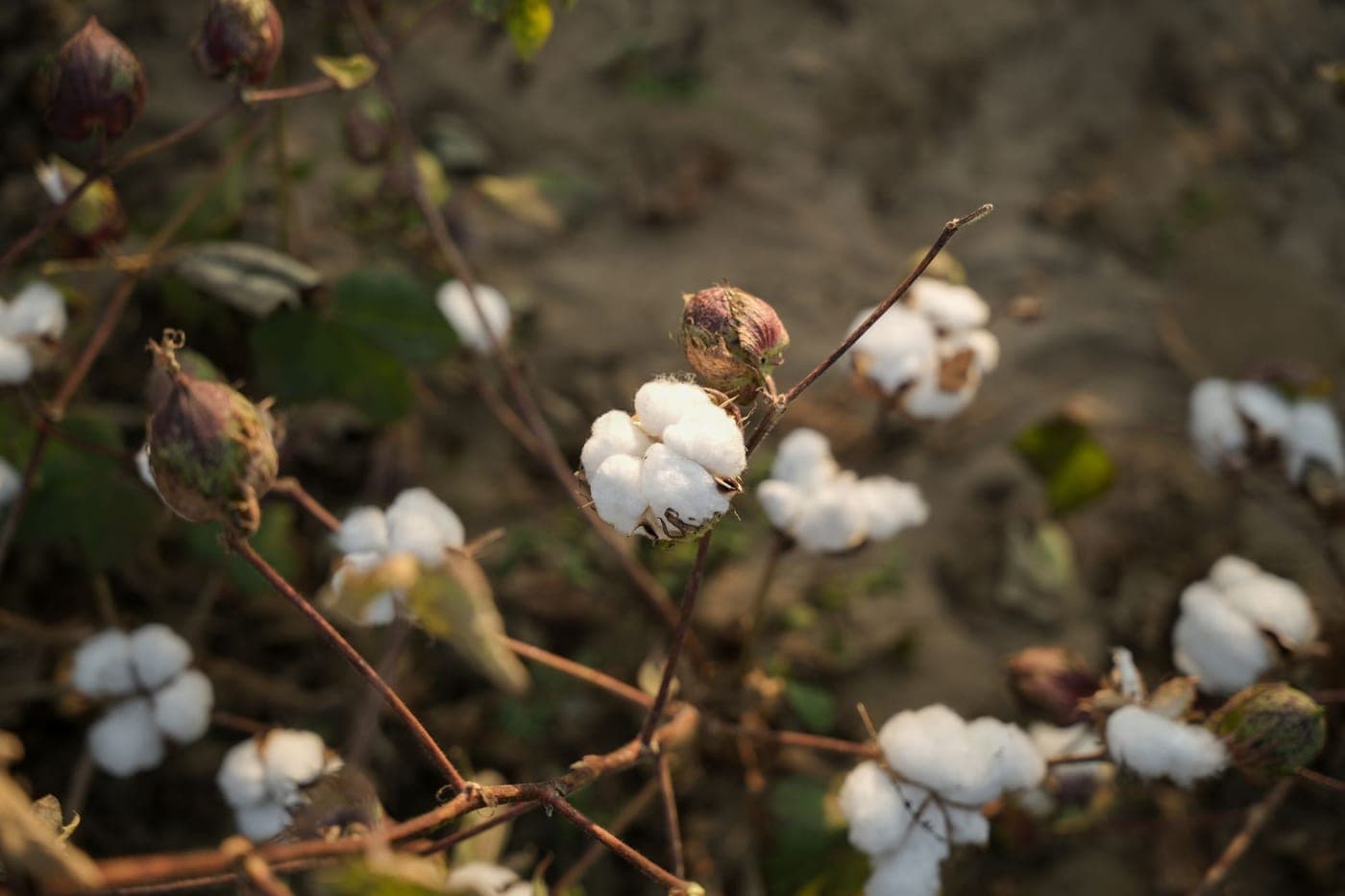
Staple length. Long-staple and extra-long-staple cottons -- Turkish, Egyptian, Supima, Pima -- have fewer fiber ends per inch of yarn. Fewer ends means less lint, less pilling, and much less thinning at the fold lines, which is where towels actually wear through. This is the single spec most worth paying for, and it is usually cheaper than the GSM upgrade people reach for instead.
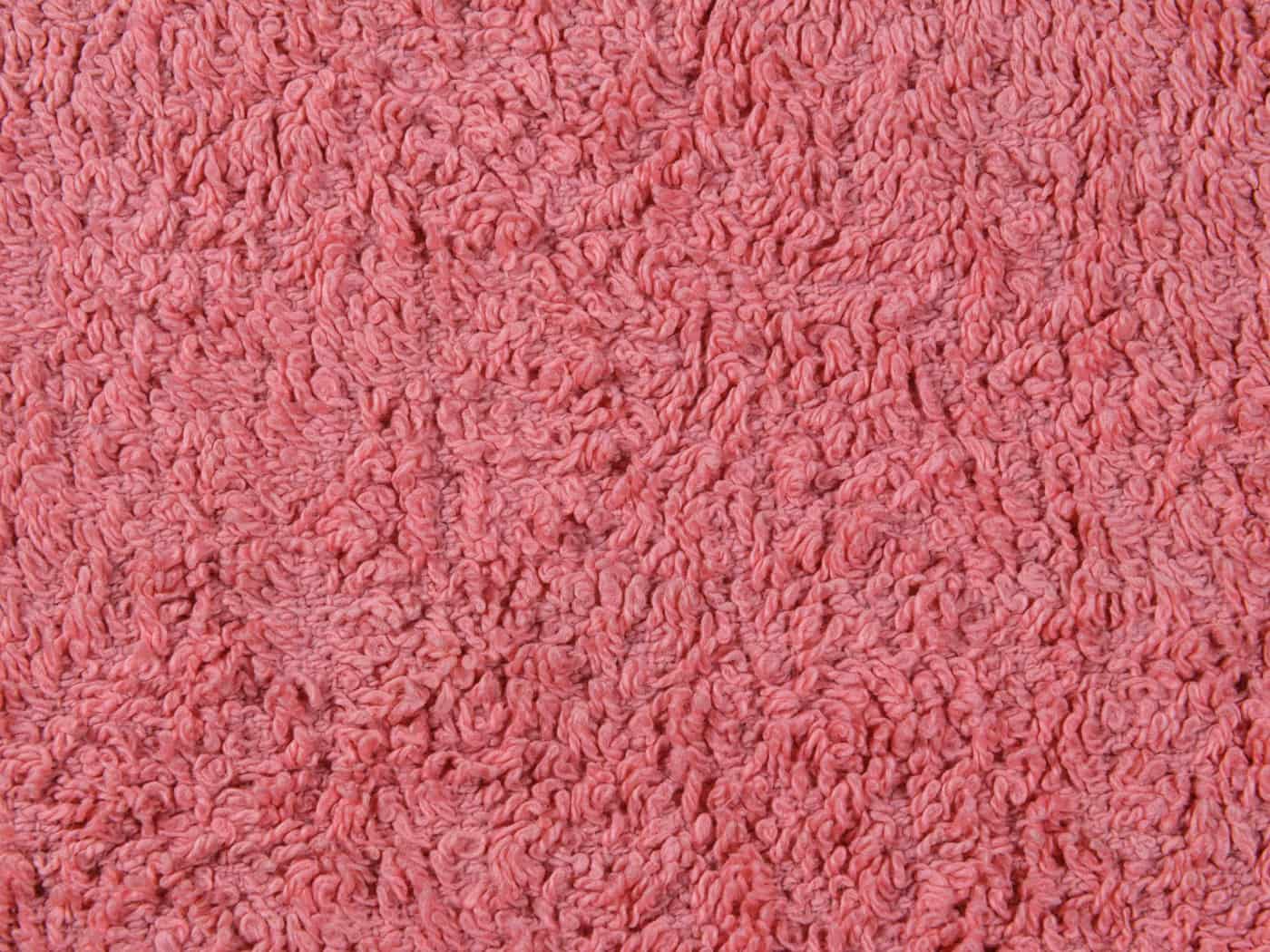
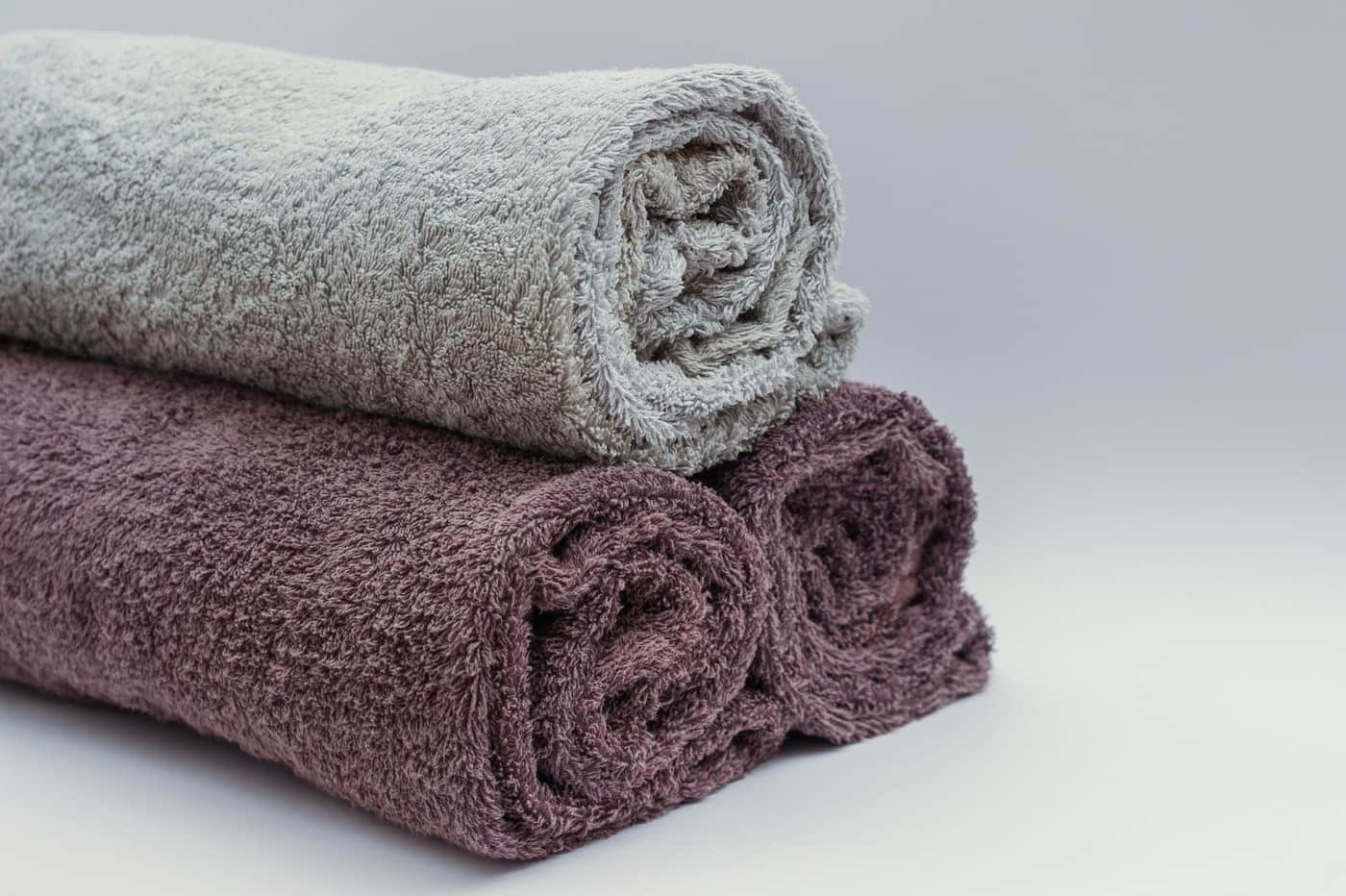
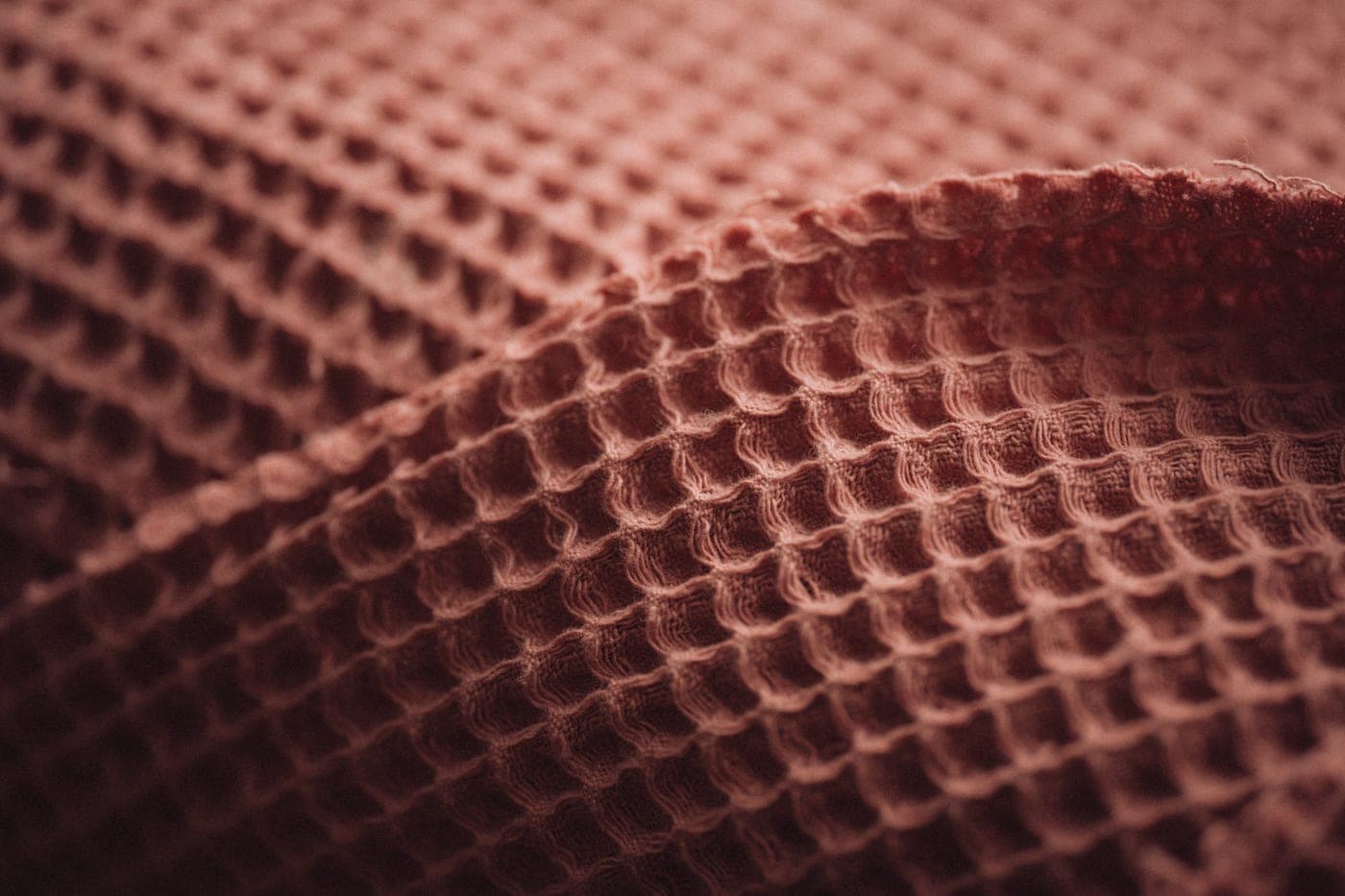
Weave. Classic terry is a looped pile: maximum surface area, maximum absorbency, maximum dry time. Waffle is an open honeycomb that holds itself apart from itself, which is why it dries so much faster at a similar weight. Zero-twist terry untwists the yarn to open the fiber up -- softer and more absorbent, and slightly more fragile. Ribbed and short-loop constructions sacrifice a little absorbency for loops that are much harder to snag.
Construction details that nobody photographs. Double-stitched long edges. A dobby border rather than a plain hem. Reinforced corners. These are where towels fail first, long before the pile gives out, and they are visible in the product photos if you know to look for them.
The thing that ends most towels is not wear
Towels very rarely wear out. They stop absorbing, they start smelling, or they go stiff -- and all three are laundering problems, not fabric problems. Fabric softener coats the fiber in a water-repellent film, which is the opposite of what a towel is for. Too much detergent leaves residue that does the same thing. Hard water deposits minerals in the pile. Drying on high heat scorches the loops.
That is why the towel care hub exists on a site about buying towels: the best towel in the world, washed badly, is worse after a year than a mid-price towel washed well. If your towels have already gone stiff or stopped absorbing, stripping them will usually bring them back before you spend anything.
Frequently asked questions
+What GSM is best for a bath towel?
For a towel used daily, 500-700 GSM. Below 500 you lose absorbency; above 700 the towel takes so long to dry that in most bathrooms it never fully does, which shortens its life. The full GSM guide explains the trade in detail.
+Is Turkish or Egyptian cotton better for towels?
Both are long-staple cottons and both are good. Turkish cotton is generally a little less absorbent day one and dries faster; Egyptian is denser and plusher. The difference between the two matters far less than the difference between either and ordinary short-staple cotton. See the comparison.
+How often should bath towels be replaced?
A well-made long-staple cotton towel, washed without fabric softener and dried properly, should last five to ten years. If yours are dying in two, the laundering is the problem, not the towel.
+Are expensive bath towels worth it?
Up to a point. Paying for long-staple cotton and good edge construction is worth it. Paying for weight above 700 GSM usually is not, and paying for a brand name without either is definitely not.